
 Writing hands by Karen [CC-BY 2.0]
Who needs critique groups? Only people who don’t believe they need to learn more about the elements of writing, and think they already know how to create good authentic language. Or, they may think they are experts on grammar, or point of view, pace, structure, etc. Now, it is not as if we go about with the elements of writing as a list to draw down as we write, but when starting out on this writing path, it is good to check on our progress once in a while. Complacency can trip us up.
 ‘Forget any story, and just draw,’ I was told. A character could be animal, not sure about
 Books, books, books. My home is filled with them and so is my head, especially when it comes to writing about my dad. He was surrounded by books; not because he was a scholar, but because he had ingenuity in bucketloads when it came to earning his family’s keep. It was post war; his army service done. So what does a man do for a living, with no job, little education, with a wife and four children to look after? Why, he sets up a lending library service of course. He started small, with a stationary library in Gloucester Street, Silverstream (north of Wellington). And being the entrepreneur he was, the idea of a travelling library soon followed.
 December. On finishing, I passed it onto another friend and regretted doing so, as I had liked the book Charlotte very much indeed.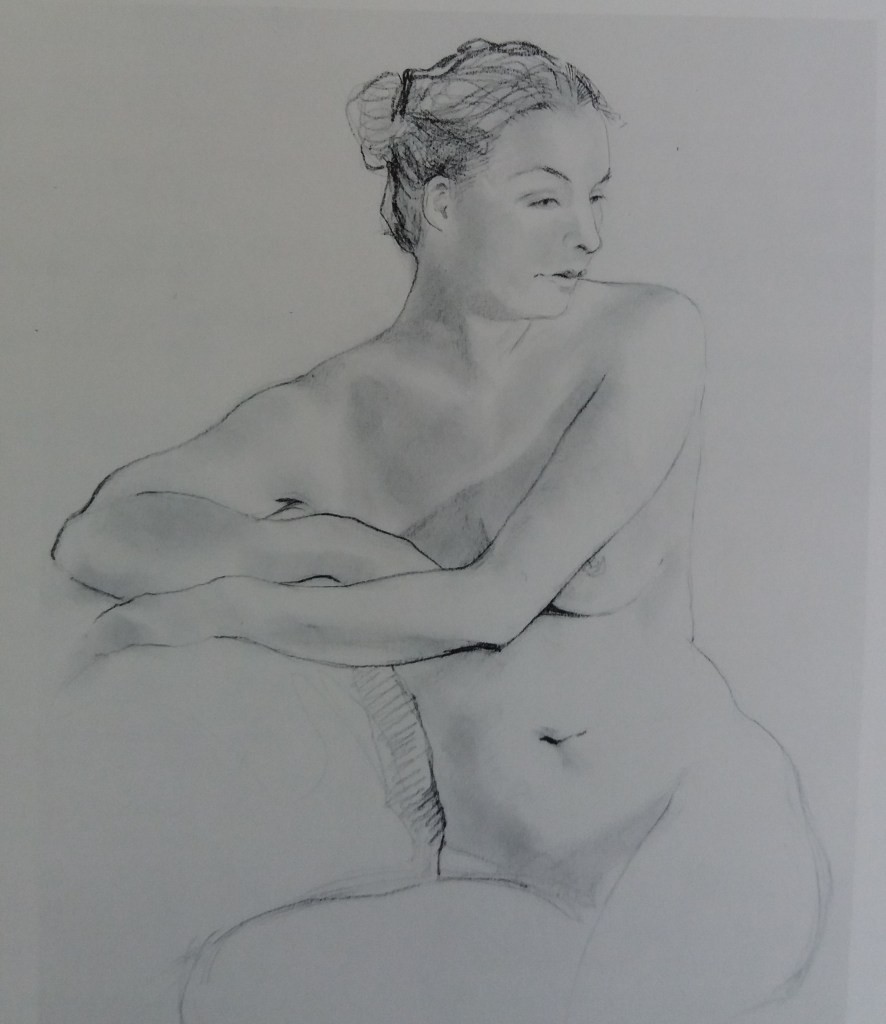


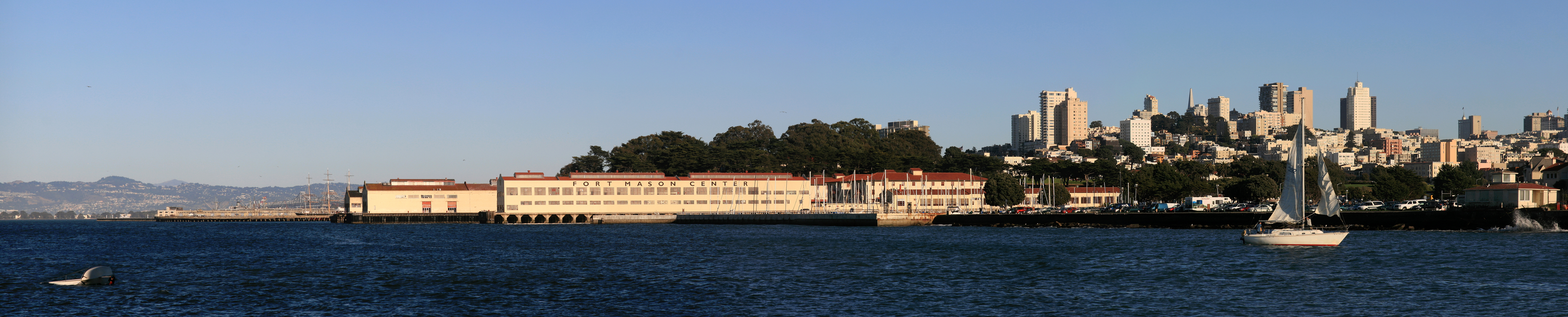 I just happened to see an advertisement in a literary magazine I subscribe to, Narrative, where one of the editors was calling for applications to his forth-coming writing workshops in New York and San Francisco. ‘How exciting’ I thought, and then squashed that frivolity with the prosaic ‘don’t be stupid’.
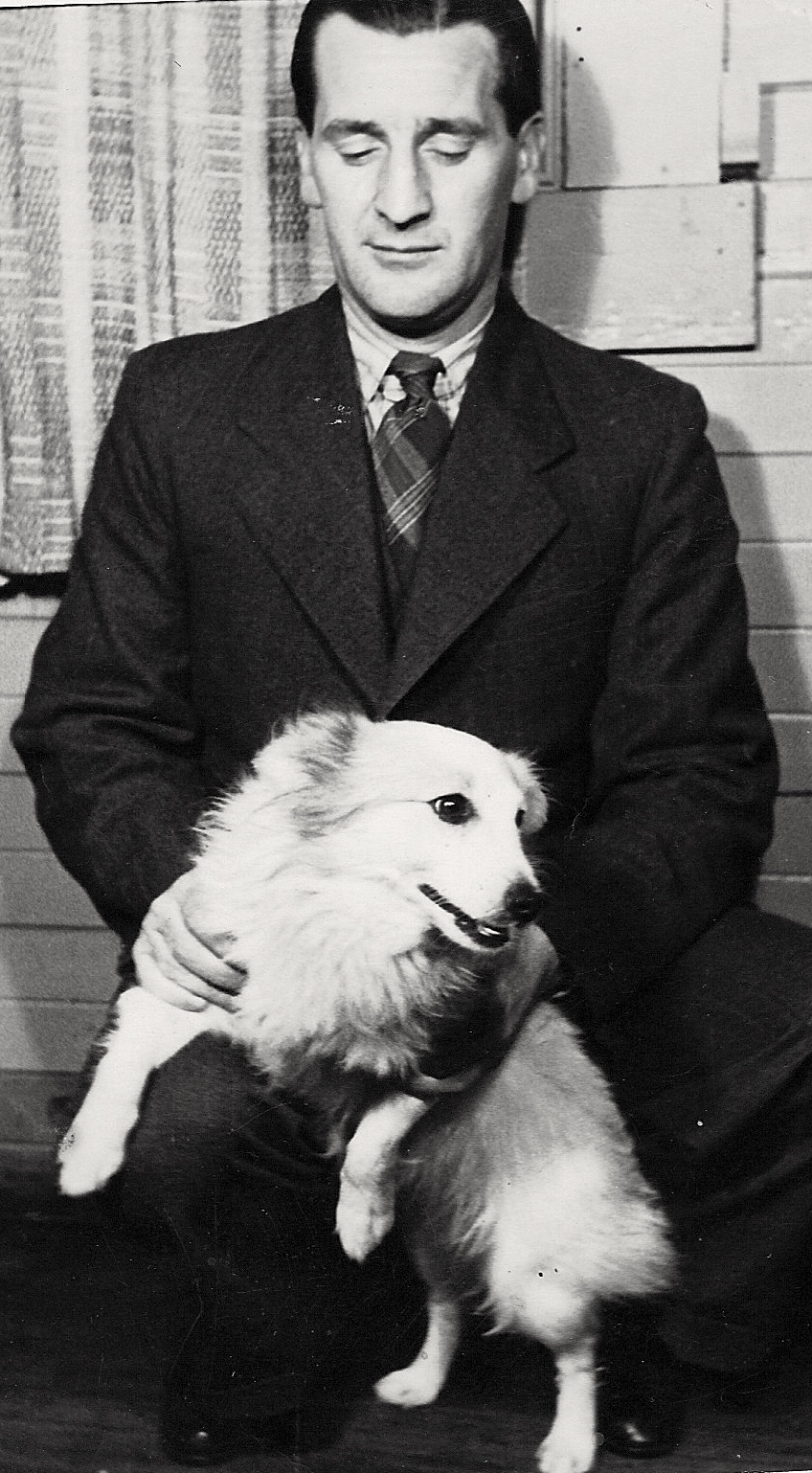 I have been working on a piece of writing (the same piece I have been struggling to finish for months), which I shall call a ‘fictionalised memoir’. It all came about following a conversation with my eldest daughter, who voiced that she would like me to tell her more of her grandfather (my father), as she had never known him, my dad having died before her birth. I started by jotting down things about his character; talents, hobbies etc., when I stopped writing and began chewing the end of my pen instead. My father was worth more than a few facts; he was a very kind, interesting, hard-working entrepreneurial type, with a cracking sense of humour and a passion for music and art. His friends loved him, as did I. He deserved a story.
  I began the year reading Peter Carey’s latest book A Long Way From Home. That it was advertised as a thrilling high-speed story appealed to me, and the fact it was written by a favourite Australian author. It’s set in the 1950’s: a time I remember as a young child; though of New Zealand, not Australia. I was still carrying around the affects of an earlier novel of Peter Carey’s, called His Illegal self, in which the main character is a boy called Che, whom Carey portrays with utter authenticity. As I opened A Long Way From Home, I wondered whether Carey would have created an equally fine character this time, and how affected I’d be by the story.
